Comet ATLAS Crosses Solar Orbiter & A Virgin SWAN | Space Weather News 05.26.2020

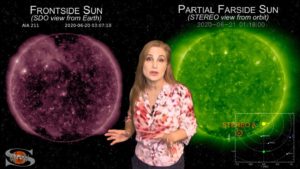
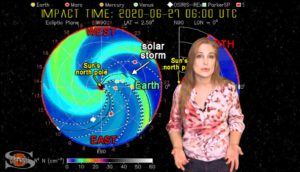
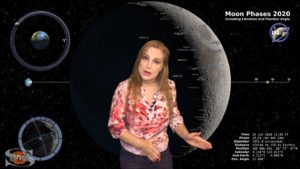
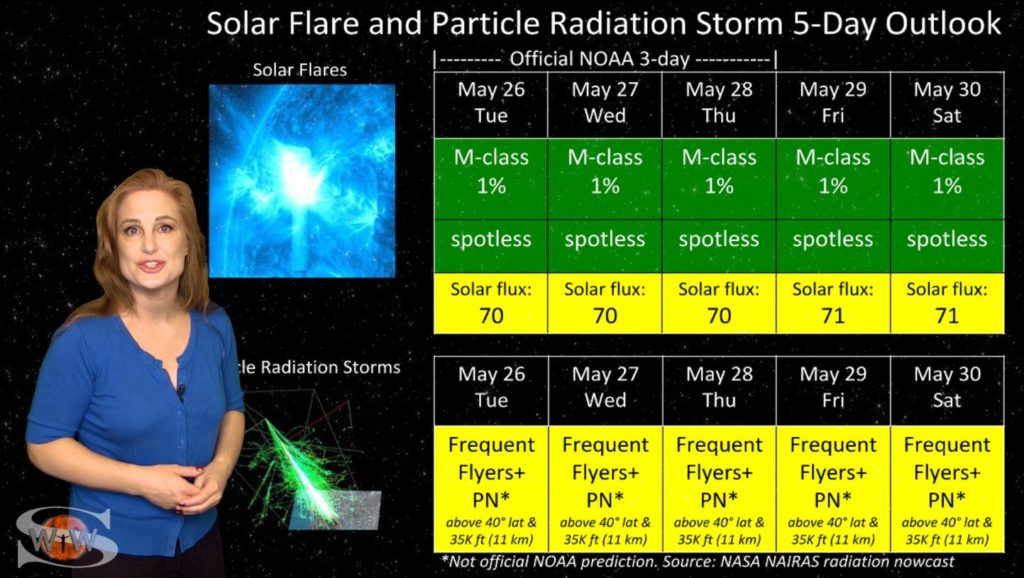
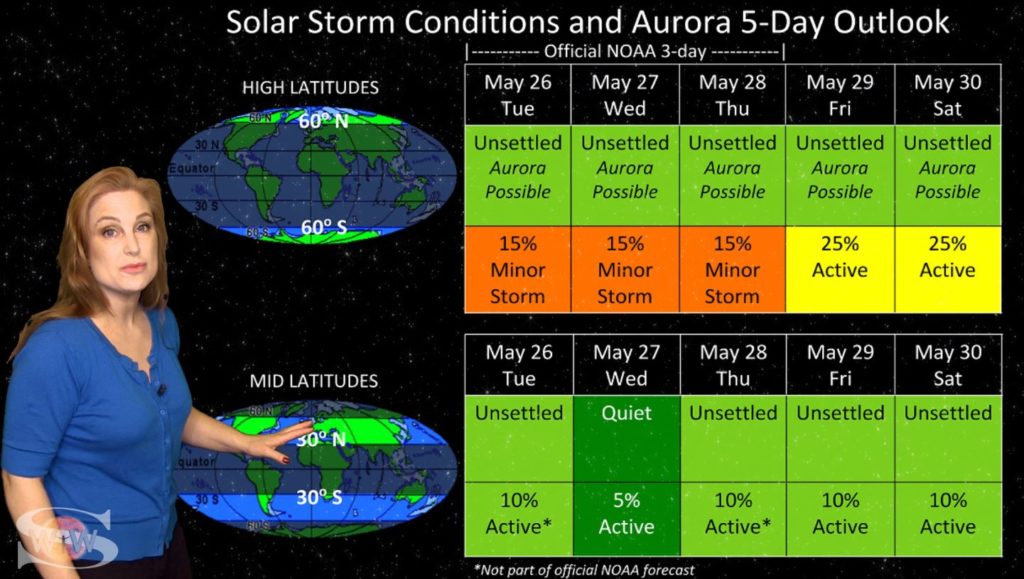
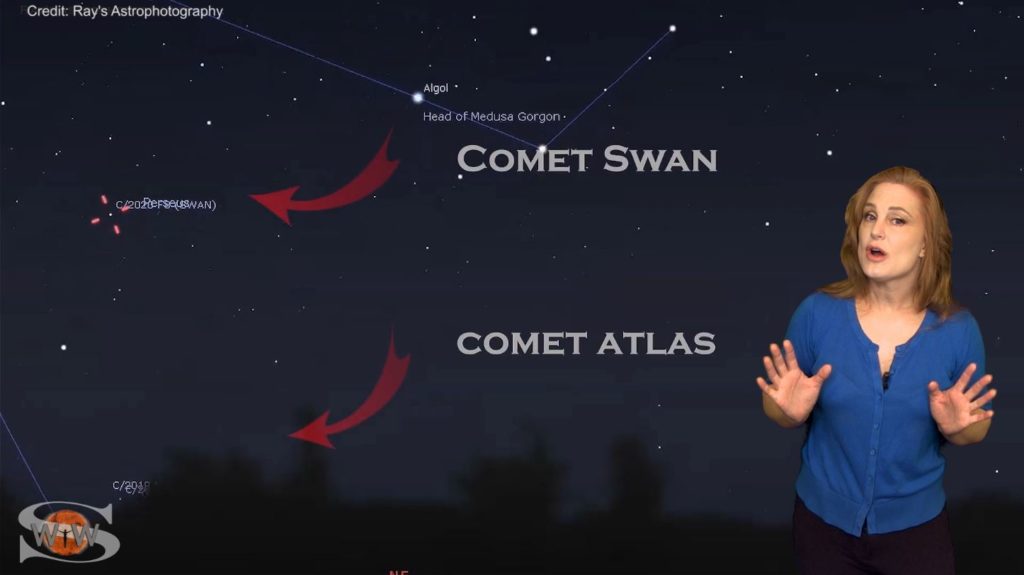
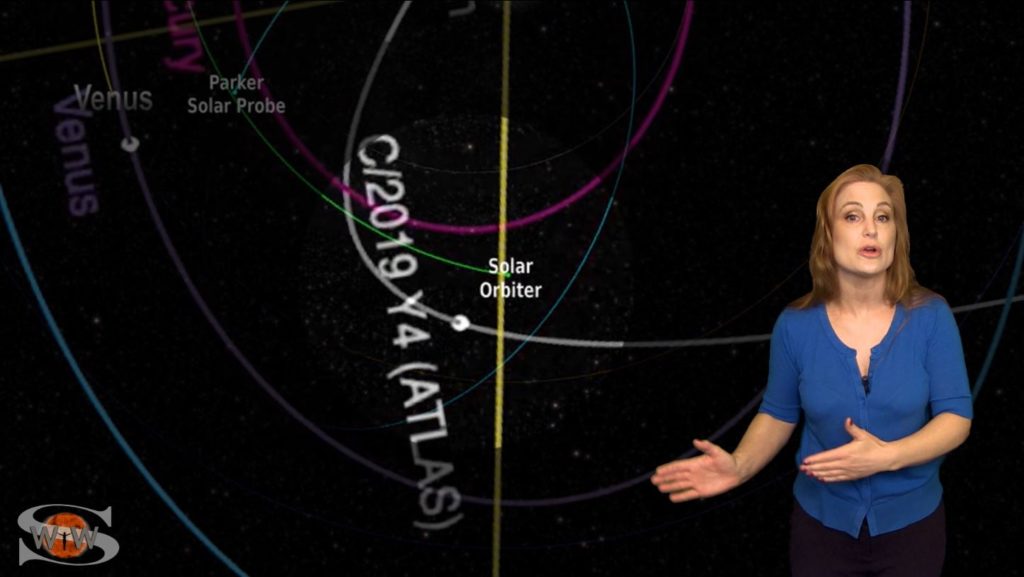
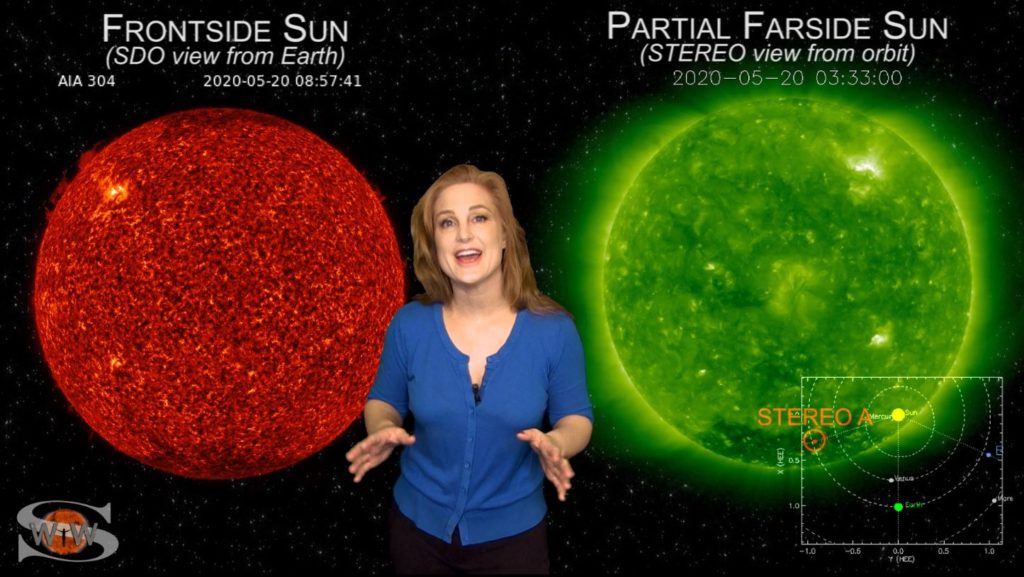
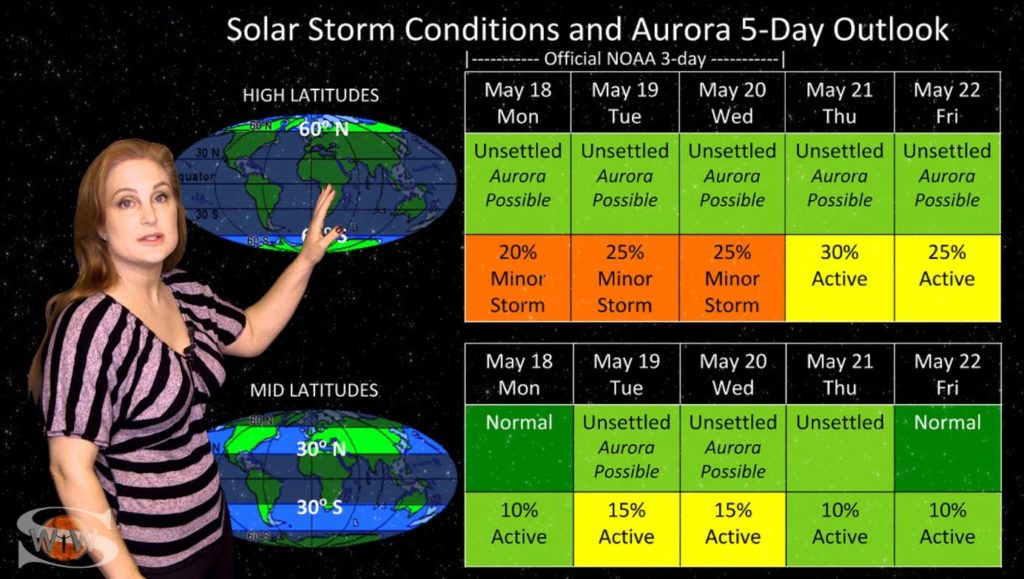
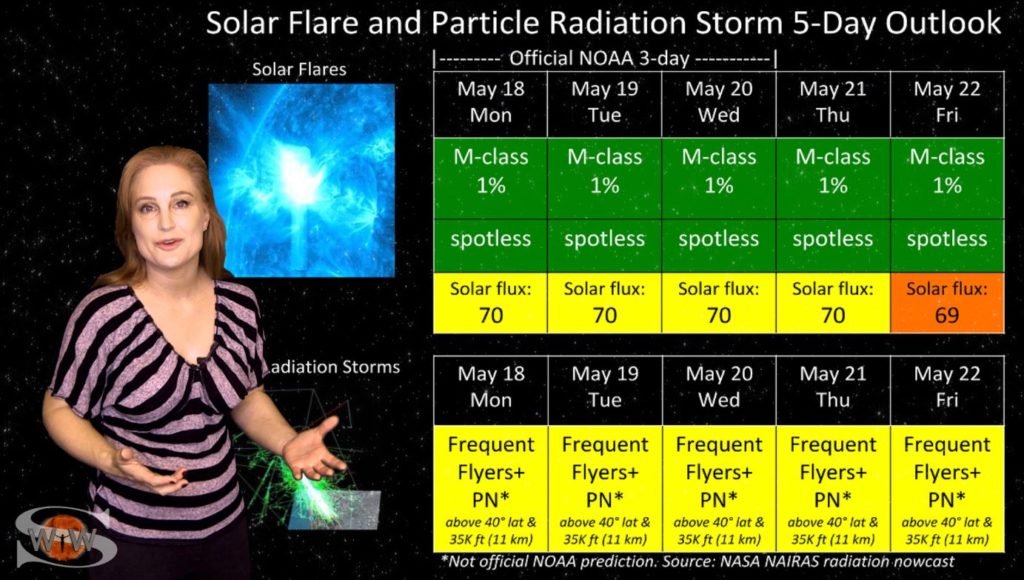
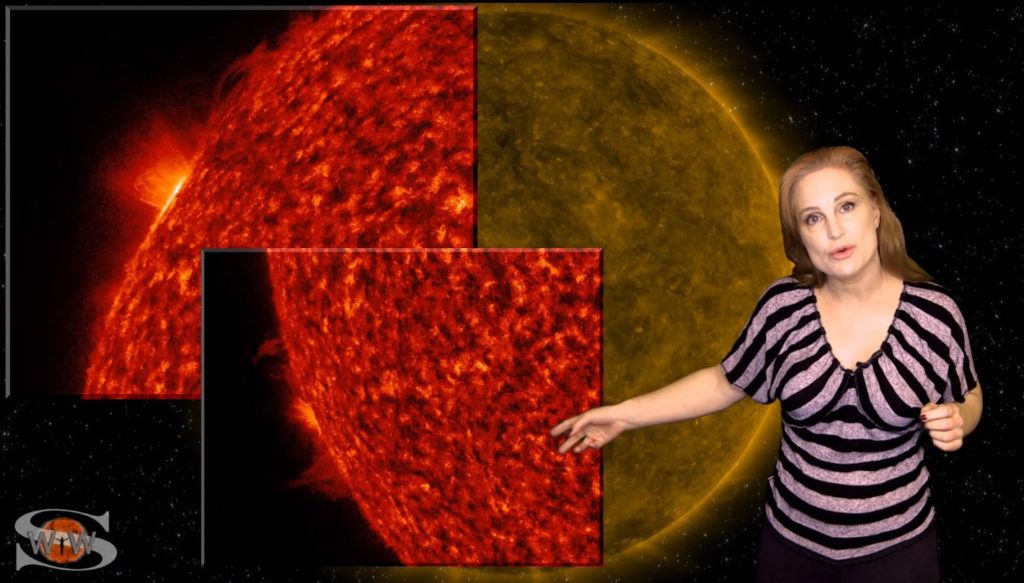
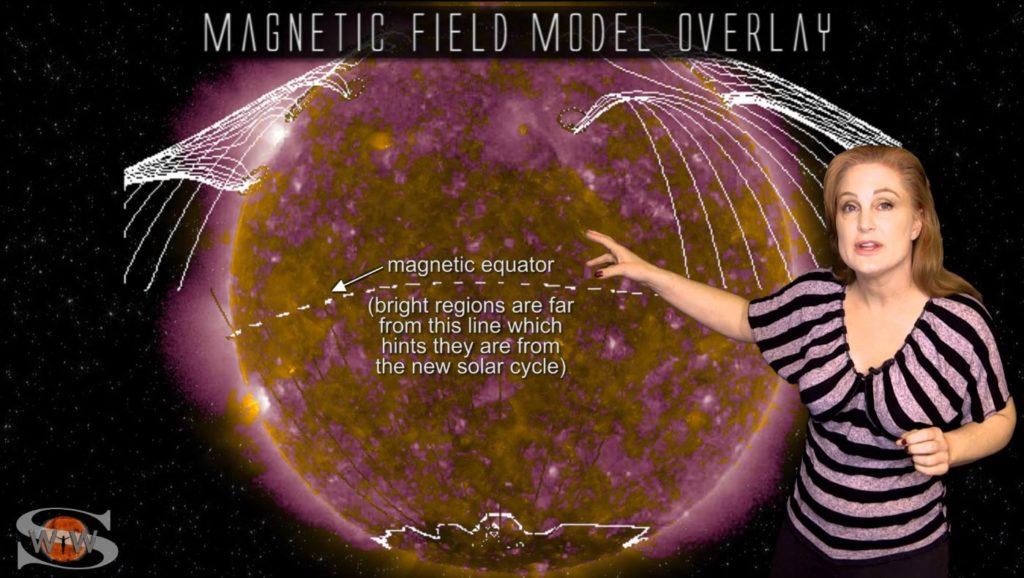
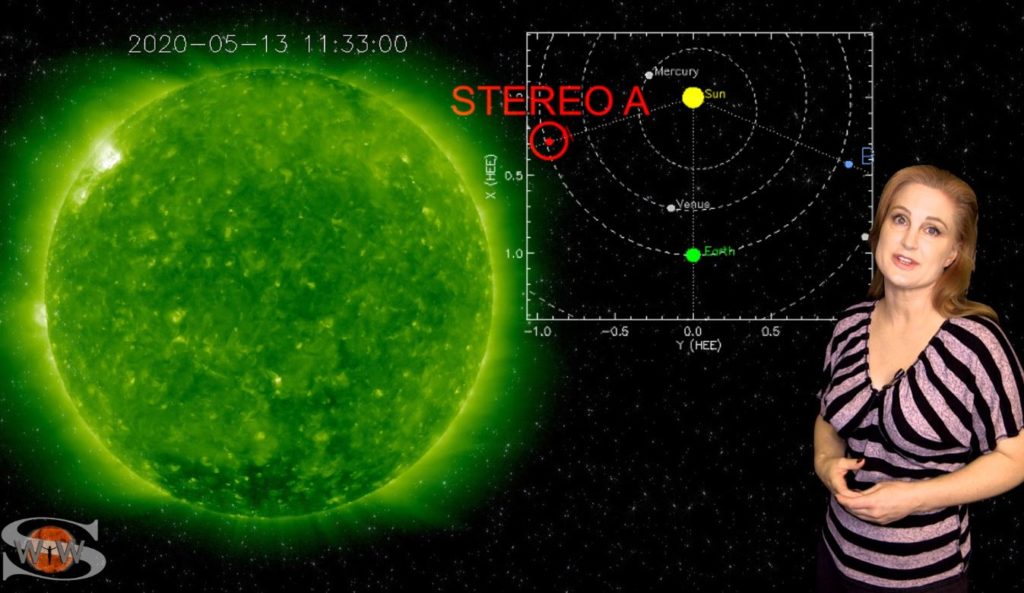
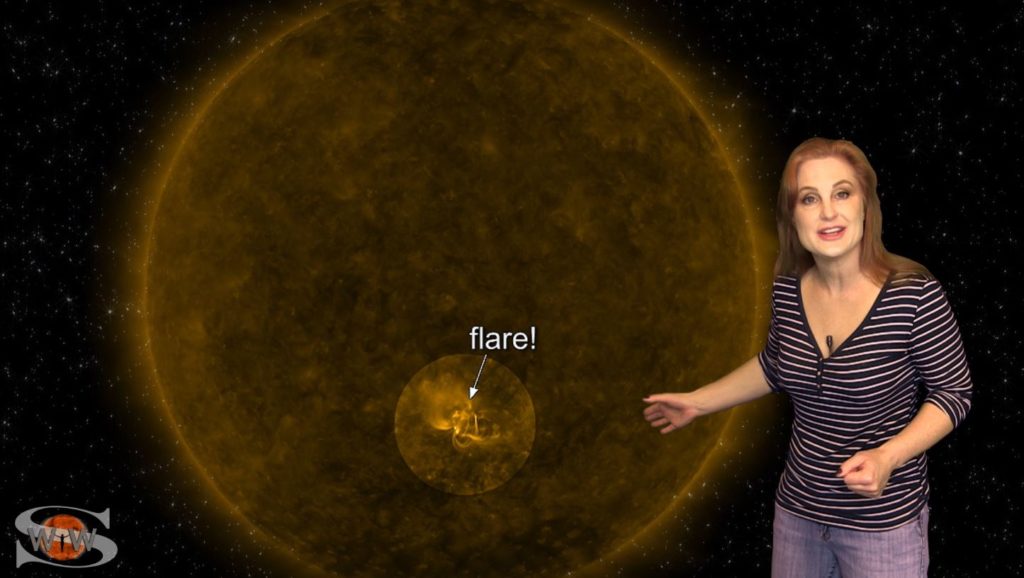
This week our star begins to look like it did back during more active times. We have multiple new cycle bright regions both Earthside and farside that are firing mini-solar flares and solar storms. In fact, one region on the farside just launched a large solar storm so we will keep an eye on it as it rotates into Earthview over this next week. We also have a small coronal hole rotating into the Earth-strike zone and it could bring some small pockets of fast solar wind causing weak aurora shows, especially at high latitudes. Solar flux stays in the marginal range this week on Earth’s dayside while GPS/GNSS reception continues to look good all over the globe. See details of this new activity and learn about the serendipitous encounter between the disintegrating Comet ATLAS and Solar Orbiter and where both ATLAS and SWAN will be in the sky this week.

Bright Region Fireworks & Chance for Aurora | Solar Storm Forecast 05.18.2020

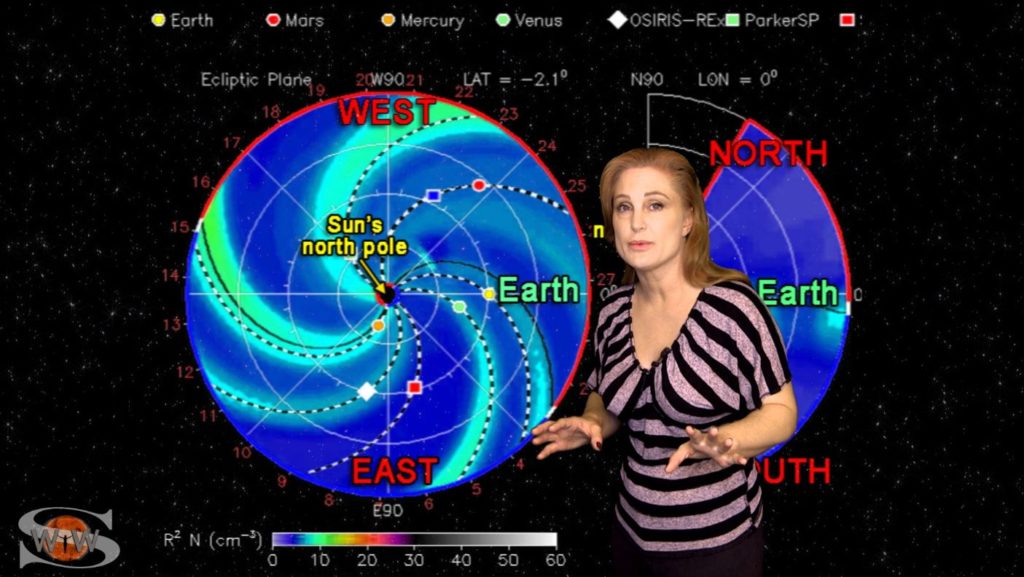
Space Weather gets a bit lively this week starting with some spectacular prominence action on the east limb of the Sun. In addition, our Sun launches a solar storm, which looks like it will go just to the west of Earth, but it could very well enhance the fast solar wind expected to hit over the next couple of days. Aurora photographers, especially at high latitudes could be in for a show. By far the biggest story this week is the appearance of two new bright regions in Earth view. Both of these regions could be signs of the new solar cycle, especially the northern hemisphere region, which has been putting on a nice display of coronal rain as it rotates into view. Although this region has launched several solar storms while on the Sun’s farside, it seems to be dissipating now so we may not see much more activity from it. At least these regions are boosting the solar flux back into the marginal range for radio propagation so radio operators can enjoy a boost in propagation over the next few days. Learn the details of the coming fast solar wind, the near miss of the coming solar storm, and how the new bright regions on the Sun might affect you this week.

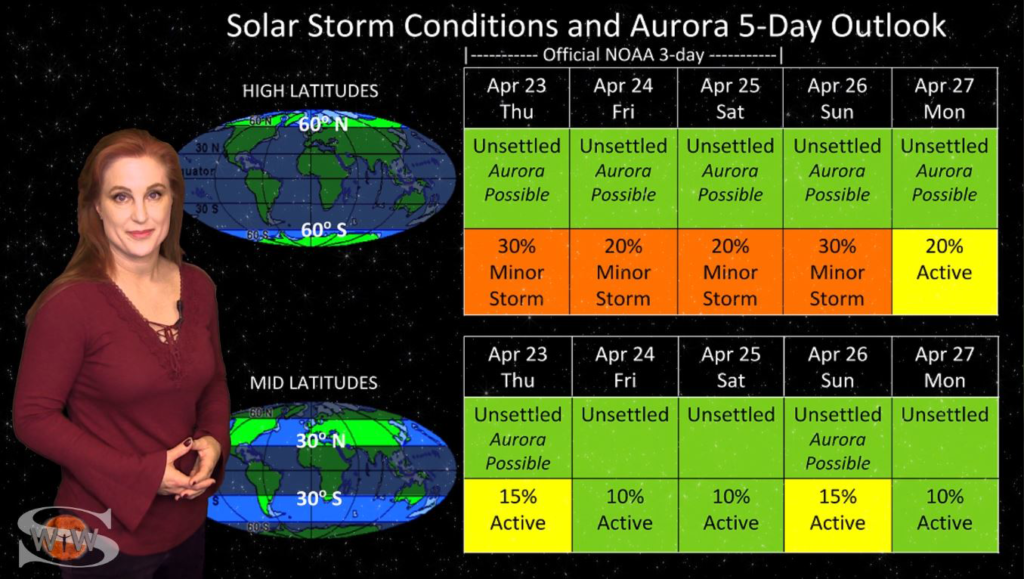
A Solar Storm, Comets ATLAS & SWAN, and a Shower | Space Weather News 04.23.2020

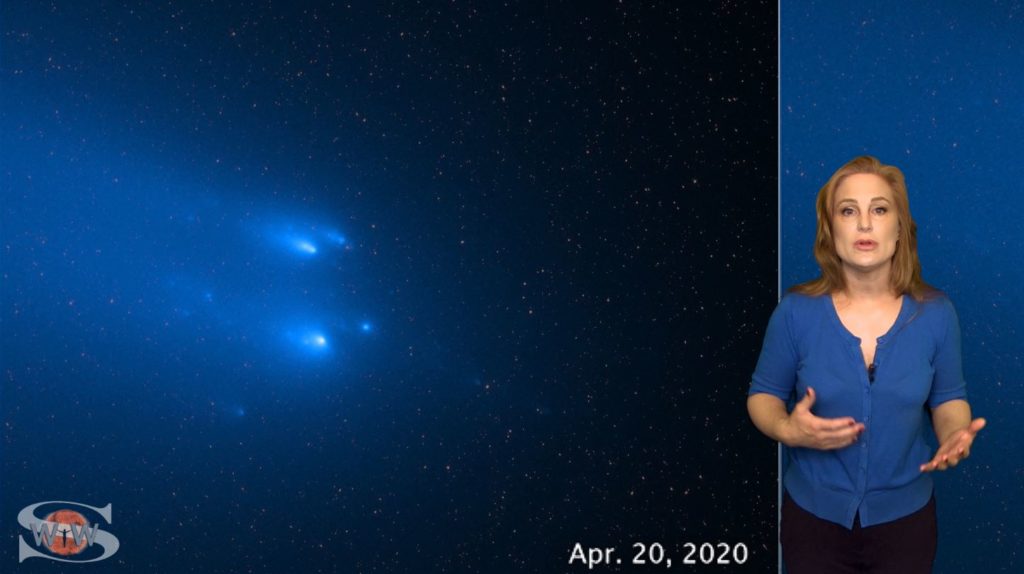
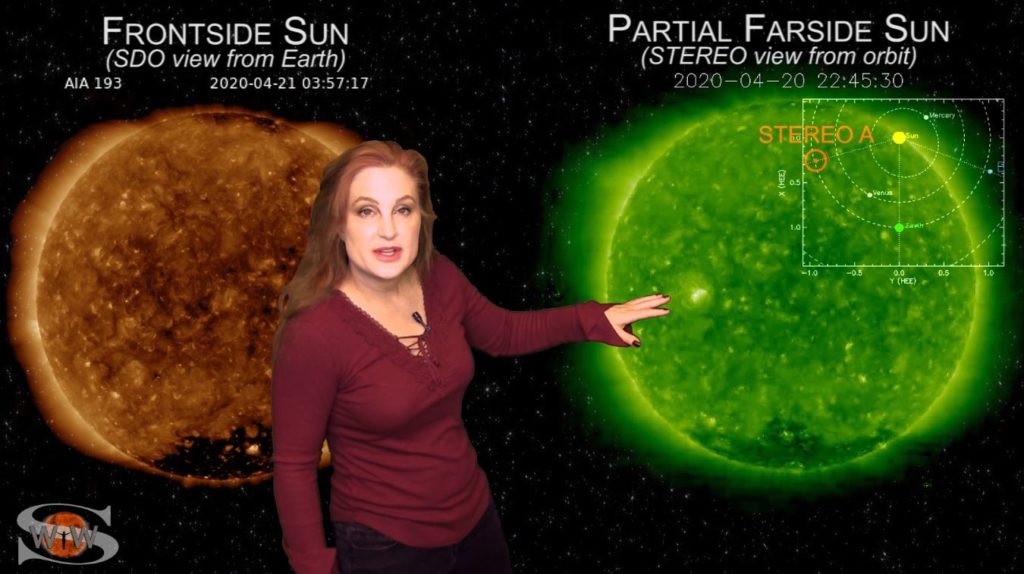
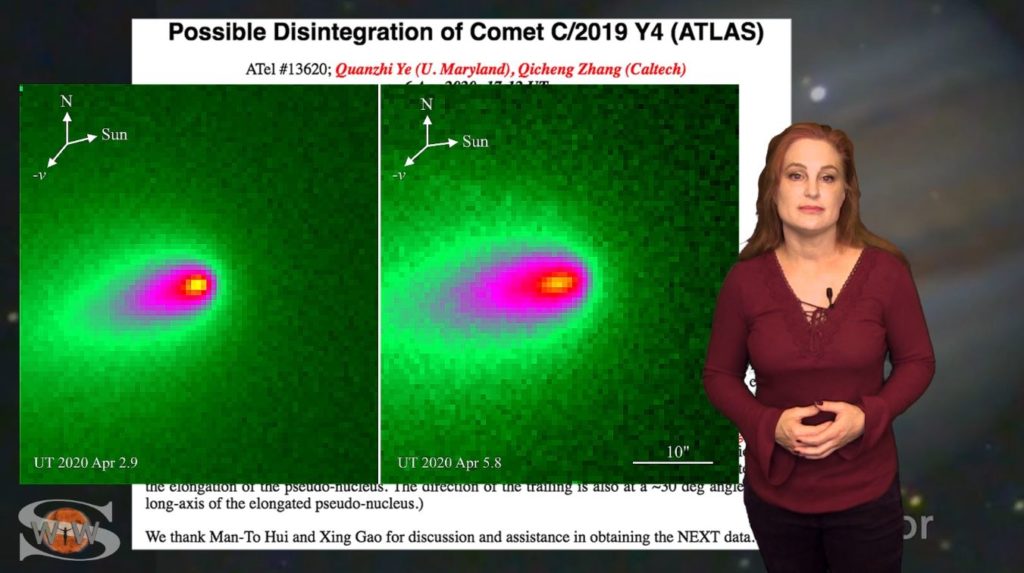
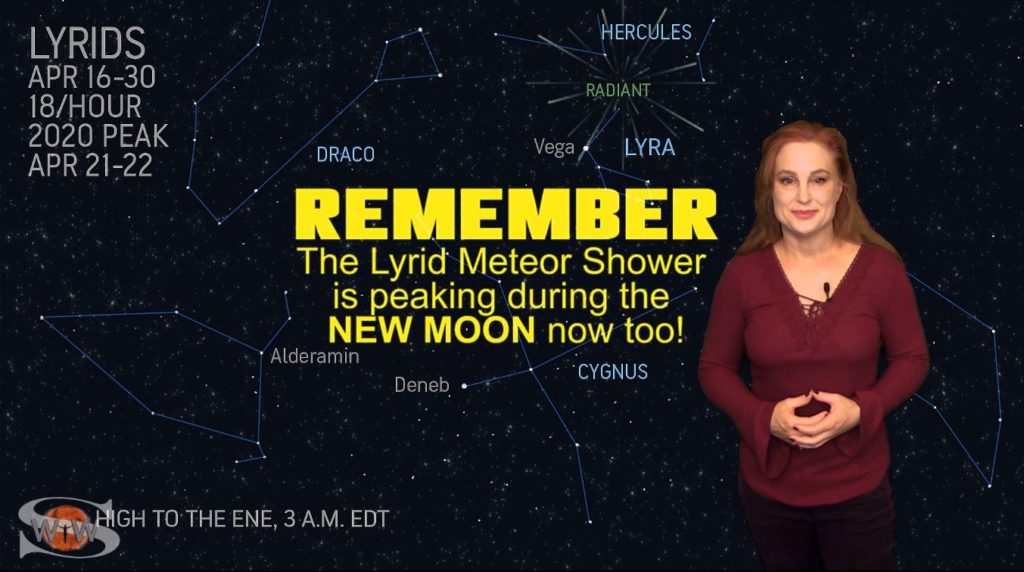
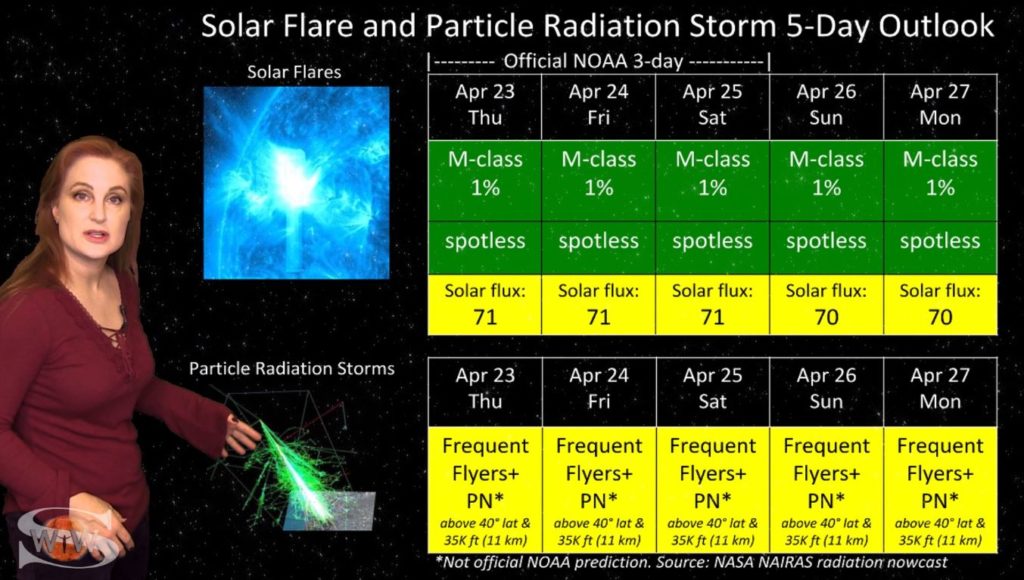
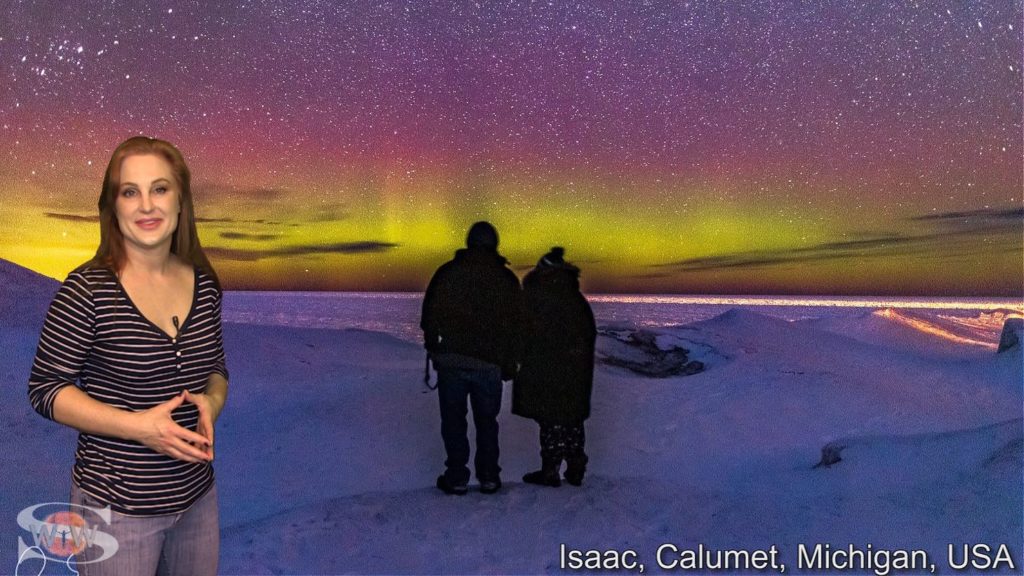
We are calming down from a decent solar storm this week– it’s the first large storm we have had in quite a while and it ended an “aurora-drought” at mid-latitudes that had been lingering for months. Now we are feeling the effects of a weak burst of fast wind that is following the storm and it could keep aurora active at high latitudes over the next few days. We also have a mini-solar storm that launched on the 19th and it could slightly enhance the disturbed conditions into the weekend before things calm down. Solar flux is also on the rise thanks to a bright region that is rotating into Earth-view. We are back into the marginal range for emergency and amateur radio communications on Earth’s dayside. GPS reception continues to be good, even at low latitudes on Earth’s dayside. However, there may be some slight issues with GPS reception over the next few days on Earth’s nightside anywhere near aurora or near dawn and dusk. Find out more about the recent solar activity, learn what has happened to Comet ATLAS while we discover the new comet SWAN, and see what else is in store this week.

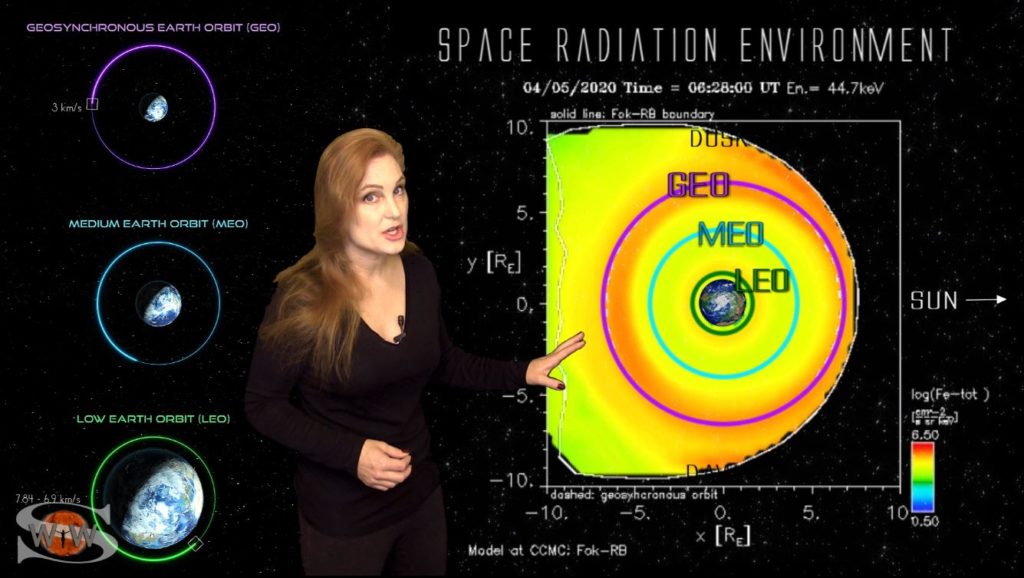
New Bright Signs of Cycle 25 | Solar Storm Forecast 04.07.2020

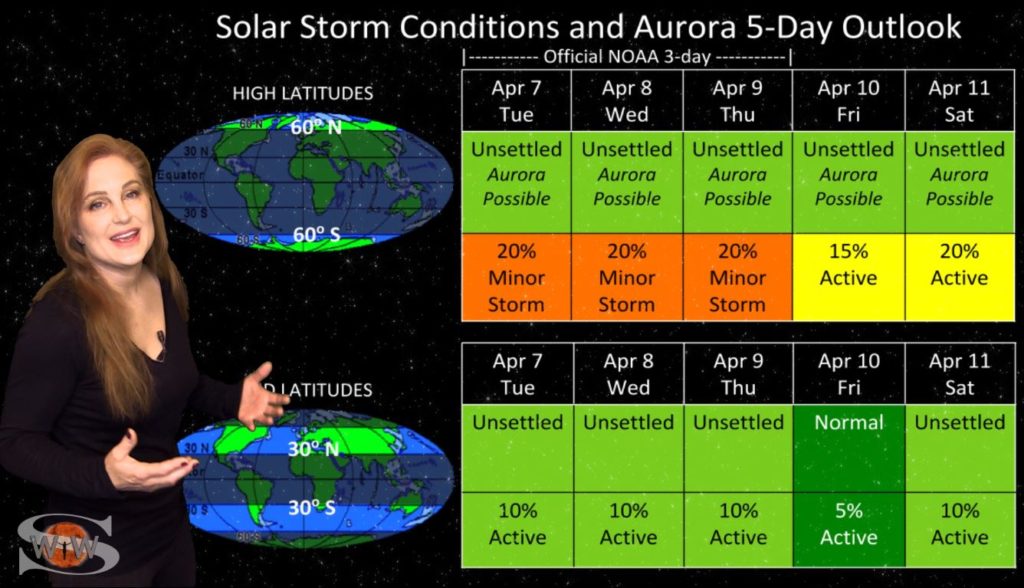
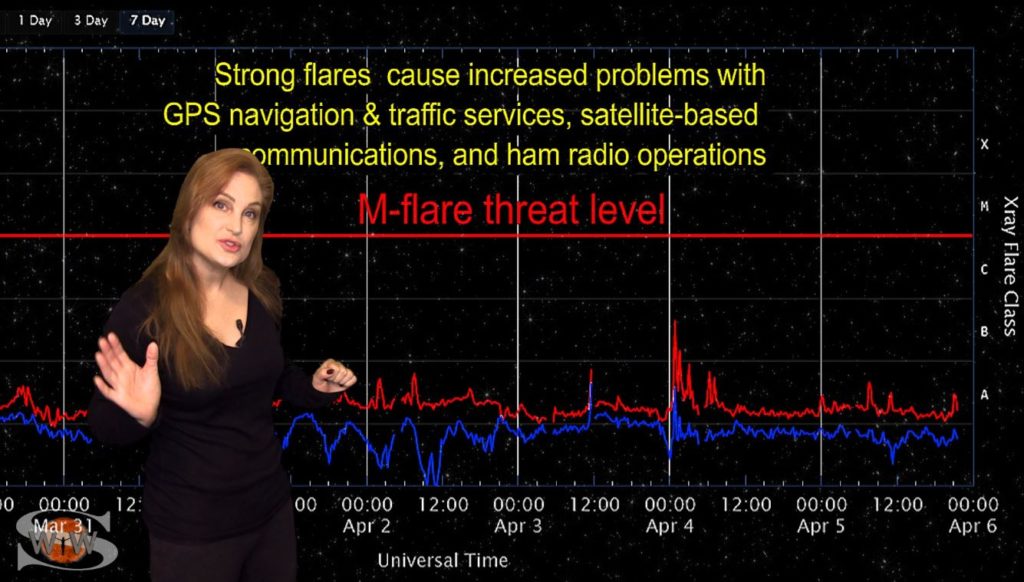
This week the Sun continues to show more signs of Solar Cycle 25. We have two new bright regions at high latitudes (a hallmark of the new cycle). One region in Earth-view has been firing B-class flares, which is a good indicator that activity is continuing to rise. The other region on the Sun’s farside should rotate into Earth-view in a few days, and should help keep the solar flux boosted into the low 70s. Along with the new bright regions, we also have a coronal hole that will rotate into the Earth-strike zone in just less than a week and it will send us some fast solar wind that could bring more aurora to high latitudes, possibly mid-latitudes too for a short while. Learn the details of the new cycle activity, catch up on aurora photos from recent solar storms, and see what else is in store!

The Sun Flares for Cycle 25 | Solar Storm Forecast 03.19.2020

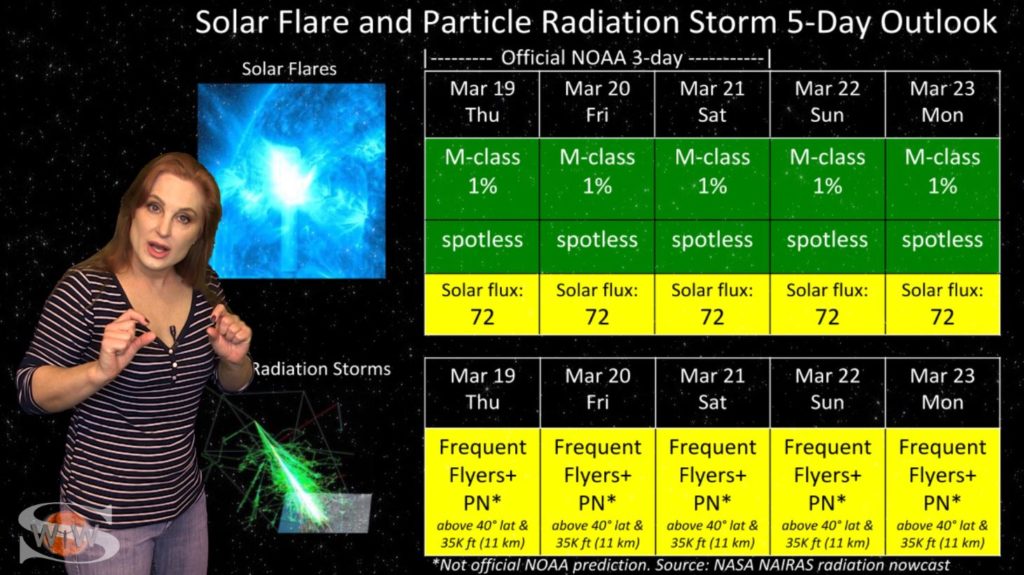
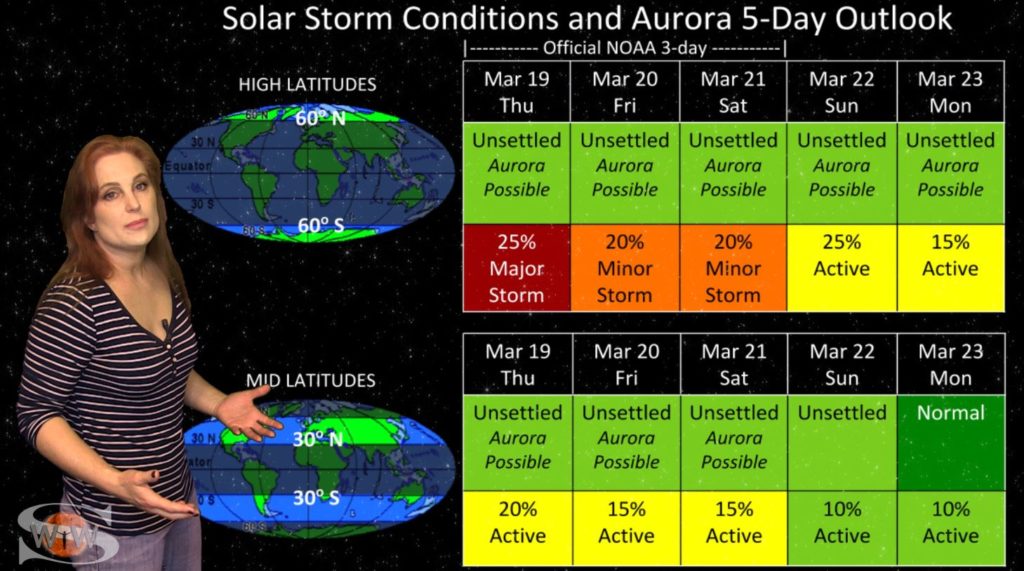
This week space weather stays relatively calm, however, we do have some nice eye-candy, both at Earth and from our Sun. This eye-candy, which includes some gorgeous views of aurora on Earth from recent solar storms & flare activity from the new bright regions on our Sun, should soothe your mind from the craziness in the world right now due to COVID-19. As for our star, two new bright regions from solar cycle 25 have emerged. One has even fired off the first long-duration flare attributed to the new solar cycle. Although this long-duration flare did not bring us a radio blackout or an Earth-directed solar storm, it nevertheless is noteworthy in that it is heralding even more firsts from the upcoming solar cycle. in addition, we also have pockets of fast solar wind that are keeping us at unsettled conditions and bringing aurora to high latitudes over the next several days. Solar flux is remaining in the low 70s, which means radio propagation will stay in the marginal range for radio propagation over the next week. GPS reception also remains good overall through this next week. Learn the details of the recent solar flare and what it means for the coming solar cycle, see some recent aurora that will ease your mind and soul, and see what else our Sun has in store this week.

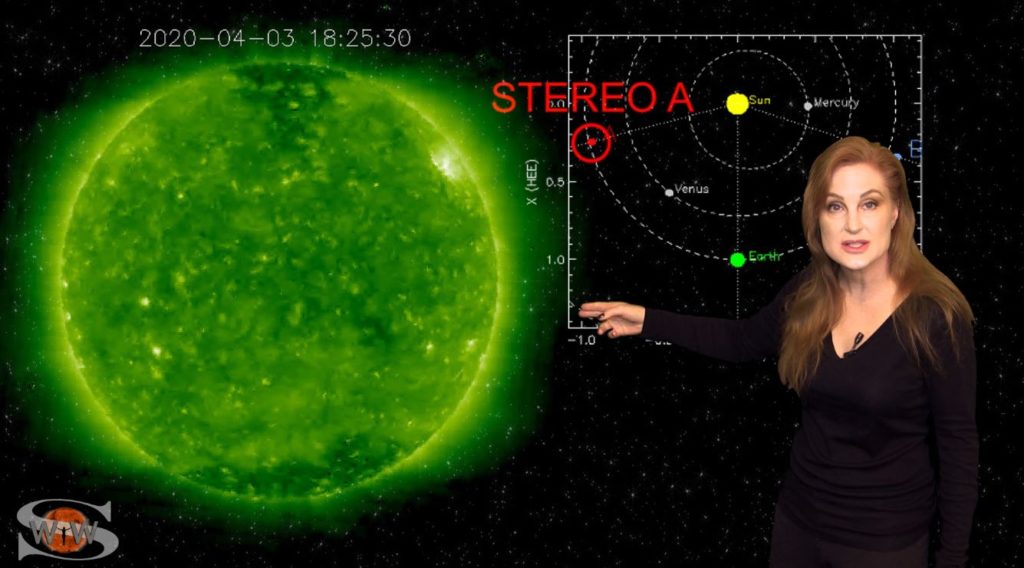
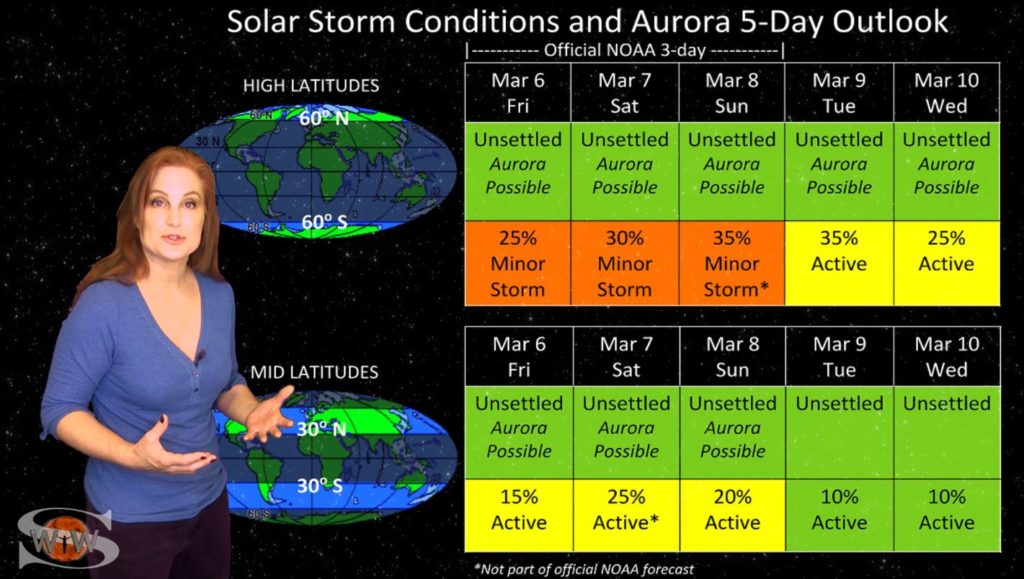
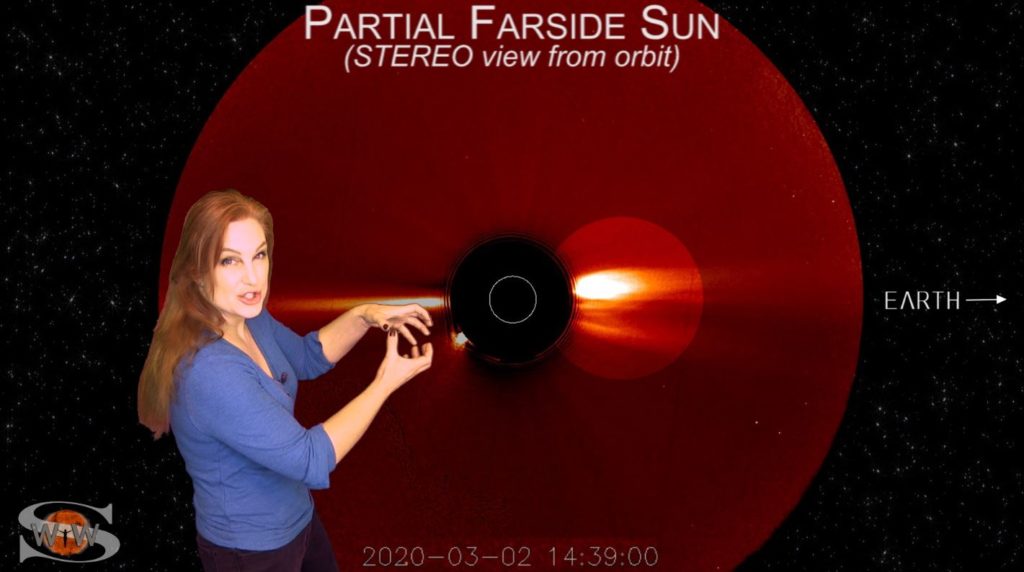
Stealthy Solar Storm on its Way | Space Weather News 03.06.2020

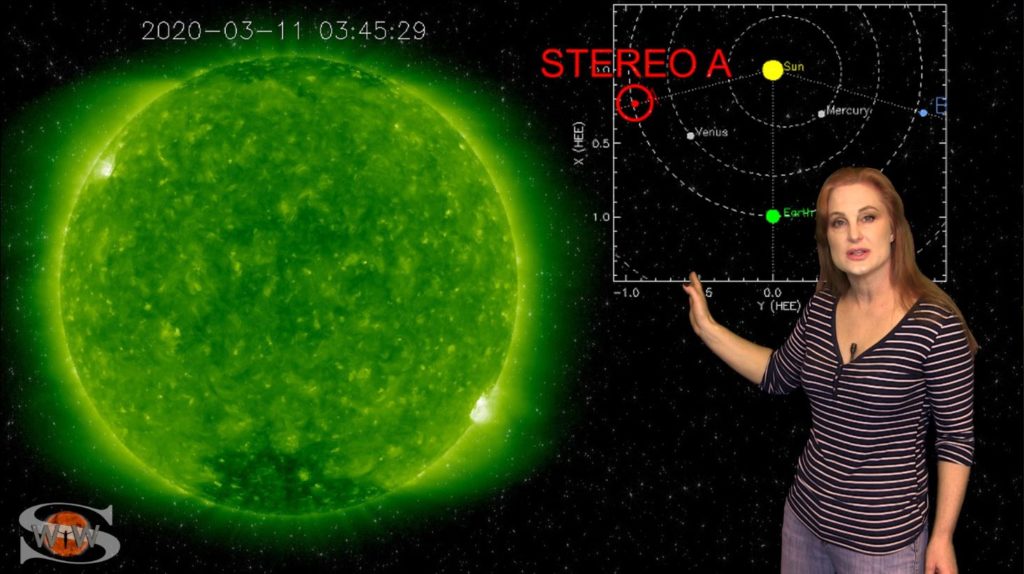
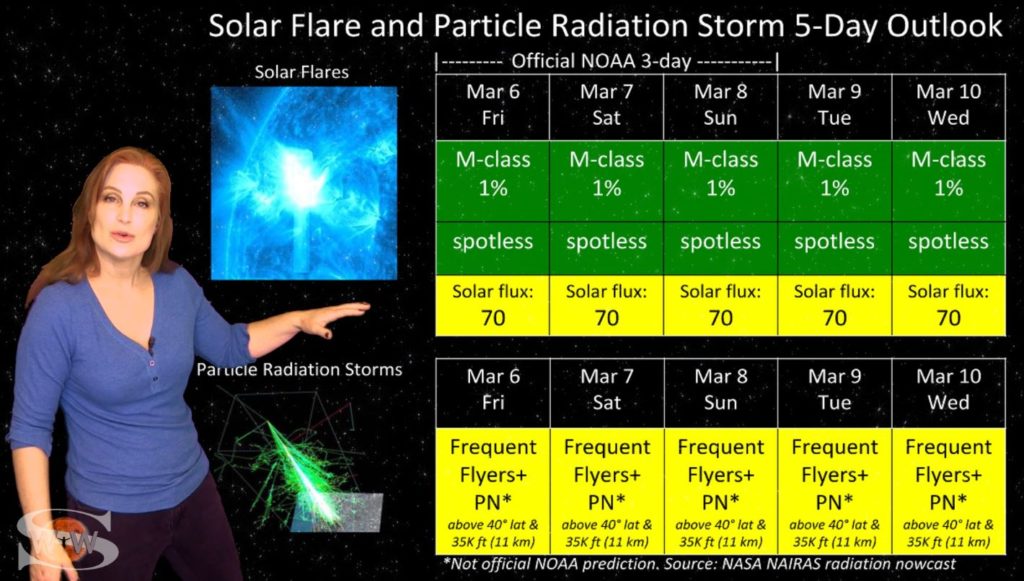
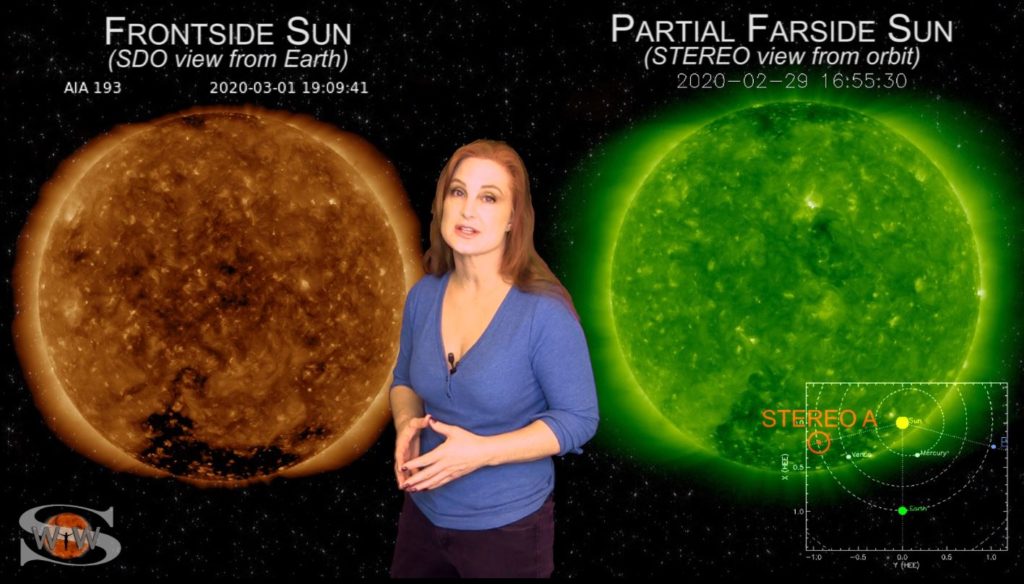
The Sun may be spotless this week, but the Sun still gives us a show with an Earth-directed stealthy solar storm launch! Views from STEREO confirm the solar storm is at least partly Earth-directed and NASA prediction models show we could get a glancing blow from this storm late on March 7 and into March 8. This means aurora photographers at high latitudes could be in for some nice views, while photographers at mid-latitudes may only get an elusive and fleeting show. Emergency Radio operators are in luck, despite the spotless Sun, as solar flux remains in the low 70s, keeping radio propagation on Earth’s dayside in the marginal range this week. GPS users are also in luck as the weak solar storm and low solar flux mean that GPS reception should be good everywhere, except near dawn and dusk, and also near aurora. Learn the details of the coming solar storm and see what else our Sun has in store this week.
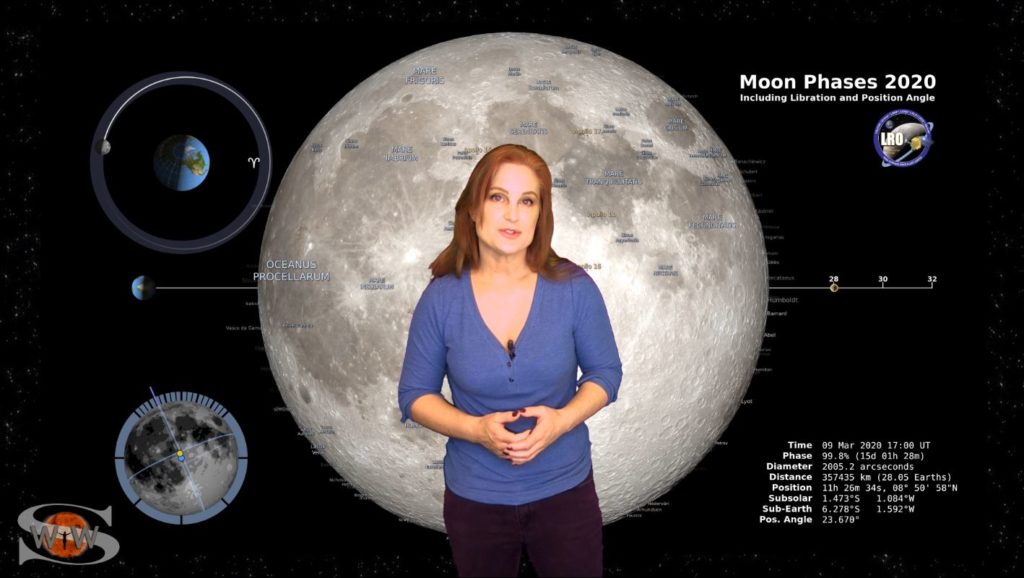
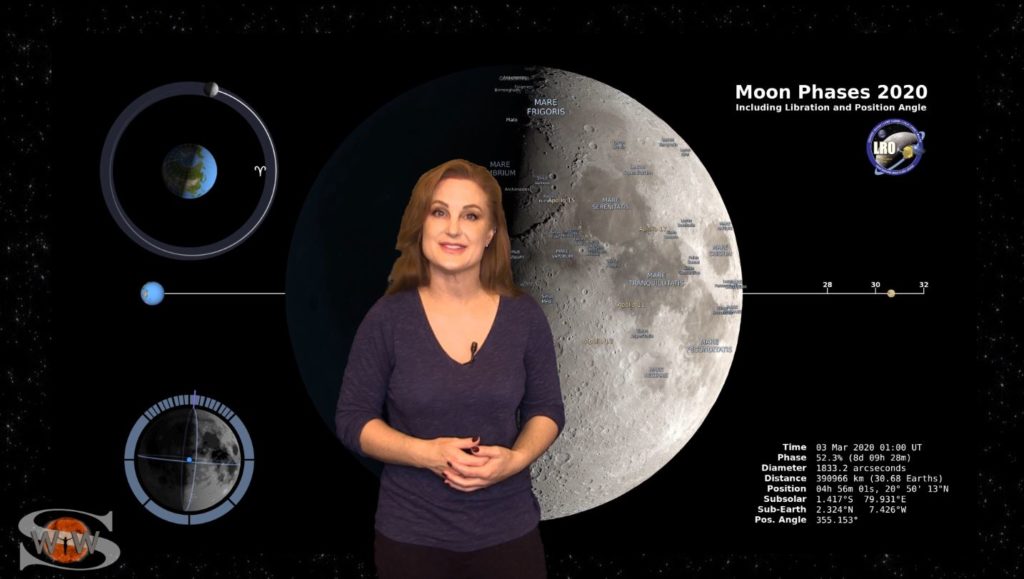
Solar Wind Pockets & Solar Orbiter Surprise | Solar Storm Forecast 02.28.2020

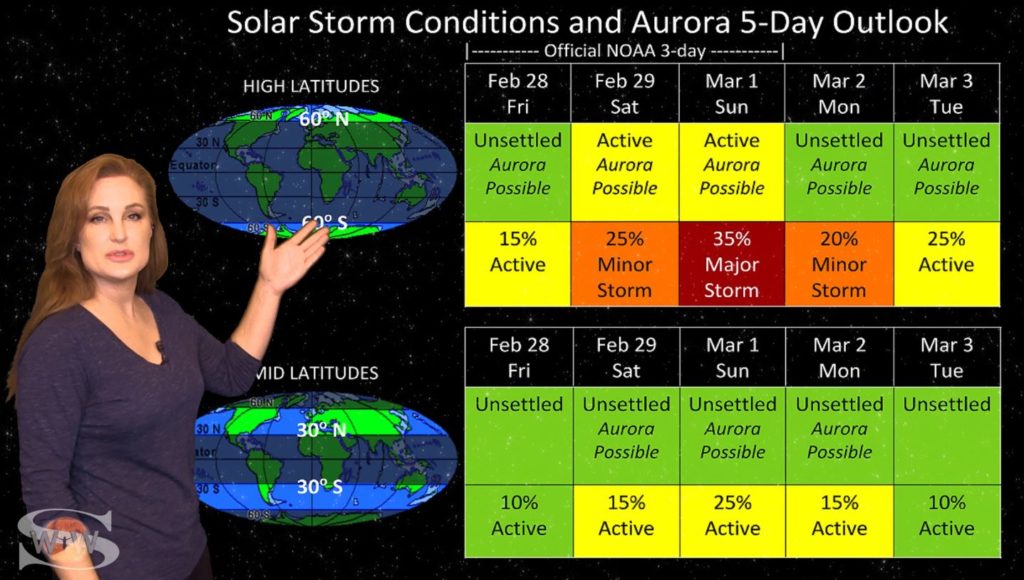
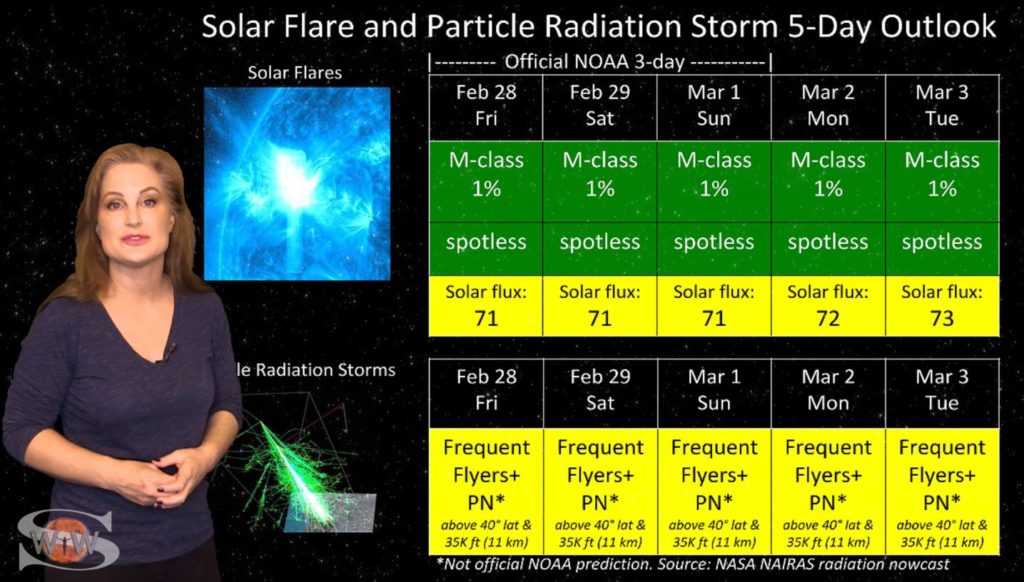
Space Weather has been calming down over this past week, but activity is about to pick up again. We have several small pockets of fast solar wind that will hit Earth over the next few days and bump us up to unsettled and possibly active conditions in through the weekend. Aurora photographers, especially at high latitudes should expect some nice views. However, views at mid-latitudes will likely be elusive and sporadic. Our Sun also has several new bright regions rotating into Earth view over the next few days. One of these regions might be from the new solar cycle. Expect solar flux to rise into the mid-70s by early next week, which should give a nice boost to radio propagation on Earth’s dayside. Learn the details of the coming fast solar wind, get new insights on the recent launch of the Solar Orbiter mission to study our star, and see what else our Sun has in store!

A Mini Solar Storm with a Fast Wind Chaser | Space Weather News 02.20.2020

This week our Sun gives us a surprise boost in activity as a weak solar storm conspires with some fast solar wind and bumps us up to solar storm conditions for a short while. Aurora photographers have been reporting aurora visible in the upper mid-latitudes and high latitude watchers have been greeted by some dazzling shows. With more fast solar wind on the way, high-latitudes could continue having active aurora in through the weekend. As for radio communications, the sun remains spotless so we are remaining at the low end of marginal for radio propagation. Solar flux will likely hold steady in the low 70s over this next week. At least GPS users should enjoy decent GPS reception on Earth’s dayside, but nightside reception might suffer, especially near aurora and near dawn and dusk. Learn the details of the ongoing solar storm, where and when aurora is visible, and what else our Sun has in store this week.
One Storm Down, One to Go | Solar Storm Forecast 02.05.2020

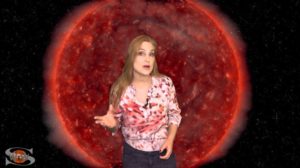
Space Weather has been calming down over the past few days since a solar storm hit Earth at the turn of the month. However, more fast solar wind is coming, which could give us another chance for aurora at high latitudes into the weekend, with views possibly extending down to mid-latitudes for a short while. Although sunspot 2757 has now rotated to the Sun’s farside, we do have two new bright regions rotating into Earth-view on the Sun’s east limb. These regions are helping to keep radio propagation on Earth’s dayside in the marginal range. Expect solar flux to remain in the low 70s this week. GPS users should continue to enjoy good GPS reception on Earth’s dayside thanks to a spotless Sun, but on Earth’s nightside, GPS reception could get a little dicey near dawn and dusk, and anywhere near aurora once the solar storm hits. Learn the details of the coming fast solar wind, catch up on aurora photos from the recent storm, and see what else our Sun has in store!
A Bright Region Pair & An Earth-Directed Solar Storm | Space Weather News 01.27.2020

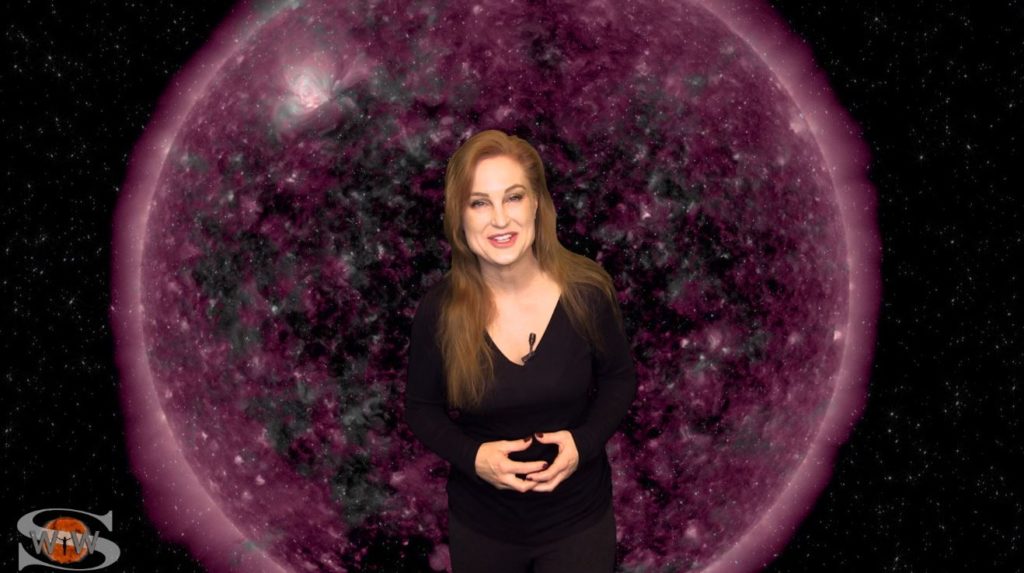
This week space weather started out quietly, but got exciting fast. We have two bright regions that have emerged on the Sun. One is a cycle 24 (old cycle) sunspot that has fired an Earth-directed solar storm! The second is a cycle 25 bright region that is helping to boost the solar flux back into the mid-70s. This means radio propagation on Earth’s dayside gets a nice boost. We also have a good chance for aurora at high latitudes (and possibly even mid-latitudes) starting on January 29. Learn the details of this coming solar storm, how GPS reception and radio communication will fare this week, and see what else our Sun has in store.